 |
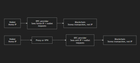
There's a common assumption that crypto transactions are anonymous because the blockchain only records wallet addresses. That's only half the story. The chain itself doesn't store your IP address, but a transaction still has to reach the network through infrastructure, and that infrastructure works much like any other server connection. What the blockchain actually recordsWhen you send a transaction, the network records the sending wallet, destination, amount and transaction data. It doesn't record your IP address, device information or physical location. The privacy problem on-chain is therefore about connecting a public wallet address to a person. That can happen through exchange withdrawals, ENS names, repeated transaction patterns, public posts and interactions between previously linked wallets. It's a separate problem from exposing an IP address. What your RPC provider may seeMost wallets don't operate their own blockchain node. Instead, they communicate with the network through an RPC provider. The provider receives requests from the wallet, retrieves blockchain data and broadcasts signed transactions to the network. MetaMask, for example, uses Infura under its default settings. Its documentation explains that connecting to a network means sending requests to a remote server, and Consensys' privacy notice says IP addresses may be processed for functionality, security, performance and compliance. Depending on the wallet and its configuration, balance checks, transaction broadcasts and token approvals all generate requests through an RPC service. Imagine checking the same portfolio several times a day from your home Wi-Fi. The blockchain doesn't see where those requests originated. The RPC endpoint, however, repeatedly receives requests concerning the same addresses from the same IP. To be clear, this doesn't automatically mean RPC providers are secretly building profiles or selling that information. Their policies describe routine operational processing. The important point is that a technical relationship between an IP address and wallet activity can exist at the RPC layer. What a proxy changesWhen wallet traffic is correctly routed through a proxy, the RPC service receives the proxy's IP instead of your home IP. That removes your home address from the RPC provider's view, but it doesn't make the activity impossible to correlate. The provider still sees the proxy IP alongside wallet requests, while a persistent exit IP, RPC account, API key or other telemetry could still group activity together. A proxy also doesn't hide your wallet address. It doesn't remove transaction history, break links between addresses, protect a seed phrase or conceal transaction amounts and destinations. Those limitations matter because network privacy and on-chain privacy solve different problems.
Configuration mattersA proxy only covers traffic that is actually routed through it. Wallet features, dapps and browser tabs may connect to separate services. Misconfigured DNS, WebRTC, IPv6 or fallback connections can also expose your real IP to other parties involved in the browsing session. That's why testing the complete setup matters. Seeing a proxy IP on one checker doesn't prove that every wallet, browser and dapp request follows the same route. A VPN may be easier when you want to route traffic from the entire device. An application-level proxy provides more control, but each relevant application must be configured correctly. Final thoughtsThe blockchain doesn't record your IP address. An RPC provider may still receive it as part of an ordinary network request. Routing wallet traffic through a proxy or VPN can prevent that provider from directly receiving your home IP. It doesn't make the wallet private, erase its history or stop on-chain analysis, it closes one specific gap in network privacy. That distinction is easy to miss because most crypto privacy discussions focus entirely on what gets written to the blockchain. The infrastructure carrying requests to the chain deserves attention too. submitted by /u/MikeProxyCheap to r/Proxy_Cheap |

Source: r/Proxy_Cheap · by /u/MikeProxyCheap